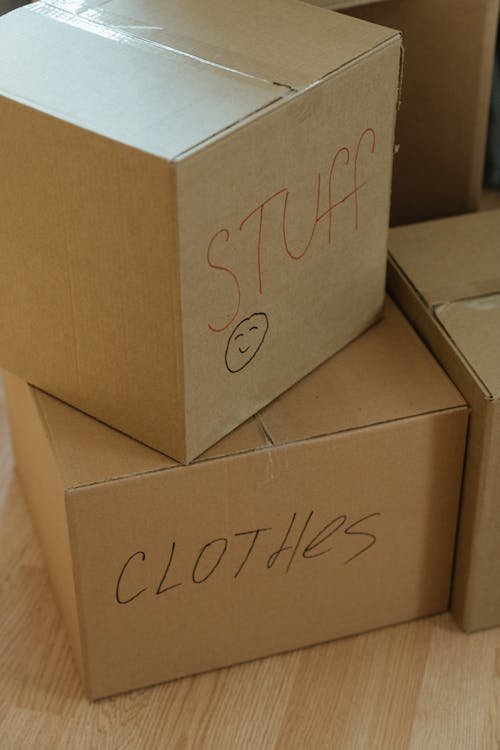
What a pack-out is, and when it's needed
Drying equipment needs open floor and wall space. Carpet can't be lifted with a sofa on it, drywall can't be cut behind a bookcase, and a floor can't be replaced under a bed. For smaller losses the crew moves furniture within the home, blocks it up on foam or plastic, and works around it. When the affected area is large, when the home needs rebuild work, or when belongings are wet themselves, a pack-out is the better route: everything in the affected area is inventoried, packed and taken to a secure facility for cleaning, drying and storage.
Pack-outs are also used when a home can't be lived in during repairs, when a condominium unit has to be cleared for work that affects neighbors, and when a rental unit needs emptying for a rebuild between tenants.
A pack-out protects dry belongings from the work, and gives damp belongings the cleaning and drying they need somewhere other than a wet room.
When owners and tenants usually call about contents
- A finished basement with furniture, a home office, stored boxes or a playroom that got wet.
- Water through a ceiling onto a bed, sofa, rug or bookshelf.
- A kitchen or bathroom rebuild coming up, with cabinets full of belongings.
- Boxes of paper, photographs and keepsakes in basement storage.
- A condo unit below a leak that needs clearing so ceilings and walls can be opened.
- A tenant's belongings in a rental that needs drying or repair.
- A landlord or manager who needs a unit emptied and documented.
Why contents get caught up in Northern Virginia losses
Basements are the main reason. A large share of homes here have finished or partly finished lower levels, and that's where storage, guest rooms, home offices and overflow furniture tend to end up. A sump failure, seepage or a water heater leak reaches belongings that were stored downstairs because it seemed the driest place in the house.
Attached housing is the other. In a townhouse or condo, water from above lands on whatever is in the room below, and the person whose belongings are soaked is often not the person whose plumbing failed. High-rise units are furnished to the walls with little room to shift things aside, so packing out is more often the practical way to clear space for drying.
Storage habits play a part as well. Cardboard boxes sitting directly on a basement slab absorb water from even a shallow event, and Mid-Atlantic humidity means paper and fabric that were only damp can develop odor and growth within a few days if they stay boxed.
Belongings downstairs got wet? We can plan the move.
Water in the Basement? Call NowFirst steps, and who to tell
Stop the water if you can, then deal with paper and fabric first, since they absorb water fastest. Photograph rooms and items before moving them and keep a simple list as you go. Photographs and written records of damaged belongings are generally useful to have. Contact your own insurer and read your policy for anything about how they're treated.
In a shared building, tell management and, if the water came from another unit, the people living there. Tenants should tell their landlord or property manager in writing and contact their own insurer about their belongings.
How pack-out and contents restoration work
- Walkthrough. The crew goes room by room with you to agree what gets packed, what stays, and what you're keeping with you.
- Inventory. Each item or box is photographed, labelled and logged with notes on its condition. You get a copy of the list.
- Packing. Belongings are packed on site with the right materials: wardrobe boxes, blankets for furniture, crates for dishes and electronics.
- Transport and storage. Items go to a secure, climate-controlled facility and are kept together under your job.
- Cleaning and drying. Wet or dirty items are handled by type: soft goods laundered or dry-cleaned, hard goods cleaned by hand, furniture dried and cleaned, electronics assessed by a specialist, and documents and photographs frozen or dried by a document specialist where needed.
- Non-restorable items. Anything that can't be restored is photographed, listed and held until you agree it can be disposed of.
- Pack-back. When repairs are complete, items come back, are placed where you want them, and are checked against the inventory.
A room-by-room list with photos tells you where everything is and what state it was in, and gives you a written record of the work performed.
What can usually be restored
- Hard furniture, dishes, glass, metal and plastic: usually cleaned and returned.
- Clothing, linens and curtains: often restored by specialist laundering or dry cleaning, depending on the water.
- Upholstered furniture: sometimes, if it was wet with clean water and dried quickly. Less often after drain or sewer water.
- Books, documents and photographs: often recoverable if frozen or dried soon. Stuck-together paper shouldn't be separated by hand.
- Electronics: assessed one by one; some can be cleaned, some can't.
- Mattresses, particleboard furniture and cardboard: usually not after significant wetting.
Items soaked by drain or sewer water are handled separately, and porous items from that kind of loss are usually not restored.
Pack-out in condos, high-rises and rentals
In a managed building, a pack-out means reserving the elevator, protecting corridor and lobby floors, and booking loading dock or entrance time with the office. Many buildings limit moving hours and ask contractors to register ahead. For a board or manager, a separate pack-out plan and inventory for each affected unit keeps every household's belongings apart. For a landlord, the tenant needs to agree to the walkthrough and be present or reachable for it. The crew can coordinate those details directly with the building and with the people in each unit.
Need a unit cleared in a managed building? We'll book it with the office.
Managing a Building? Call UsWhat affects time and cost
Volume matters most: one basement room takes a few hours to pack, a whole floor of a house a day or more. The amount of cleaning, the kinds of items (documents and electronics need specialist handling), how long storage is needed, and access such as stairs, elevators and building rules all shape the job. Storage time usually tracks the repair schedule. Pricing for the pack-out, cleaning and storage is set out upfront, before anything is packed, with no hidden fees.
When everything comes back
- Walk the rooms with the crew and check items against the inventory.
- Unpack stored boxes promptly and check for any odor or damp.
- Keep basement storage in lidded plastic bins on shelving, off the slab.
- Store important documents and irreplaceable photographs above the lowest floor.
- File your copy of the inventory with your other home records.
Related services
- Structural drying
- Reconstruction and repairs
- Finished basement cleanup
- Ceiling water damage
- Condo and shared buildings
- Odor removal
Contents pack-out: common questions
Do I have to pack out everything?
No. Only the affected area, and only what's in the way of the work or needs cleaning. For smaller losses, furniture is often moved within the home and blocked up instead. You decide together during the walkthrough.
Where do my belongings go?
To a secure, climate-controlled storage facility used by the restoration team, kept together and labelled under your job. You can ask where it is and how to get something back if you need it before pack-back.
Can I keep some things with me?
Yes. Set aside medications, documents, laptops, chargers, clothing and anything else you'll need. The crew notes what you've kept so the inventory stays accurate.
Can wet photographs and documents be saved?
Often, if they're dried or frozen soon after wetting. Don't separate pages or photos that are stuck together. A document specialist can freeze-dry paper and restore many photographs.
What happens to things that can't be restored?
They're photographed, listed and kept until you agree to disposal. Try not to throw out damaged items before they've been documented.
How long will my things be in storage?
Usually until repairs are finished. For a single room that may be a couple of weeks; for a larger project, longer. Items can come back in stages as rooms are completed.
I'm a tenant. How does a pack-out get arranged?
The landlord or manager usually arranges the repair work to the unit, and your belongings are yours. The crew will talk to both of you so the walkthrough and access suit everyone. Contact your own insurer about your belongings.
Can a pack-out be done in a high-rise?
Yes, with planning. The service elevator is booked, corridors are protected, and moving hours follow the building's rules. The crew coordinates with the management office and front desk.