What reconstruction covers
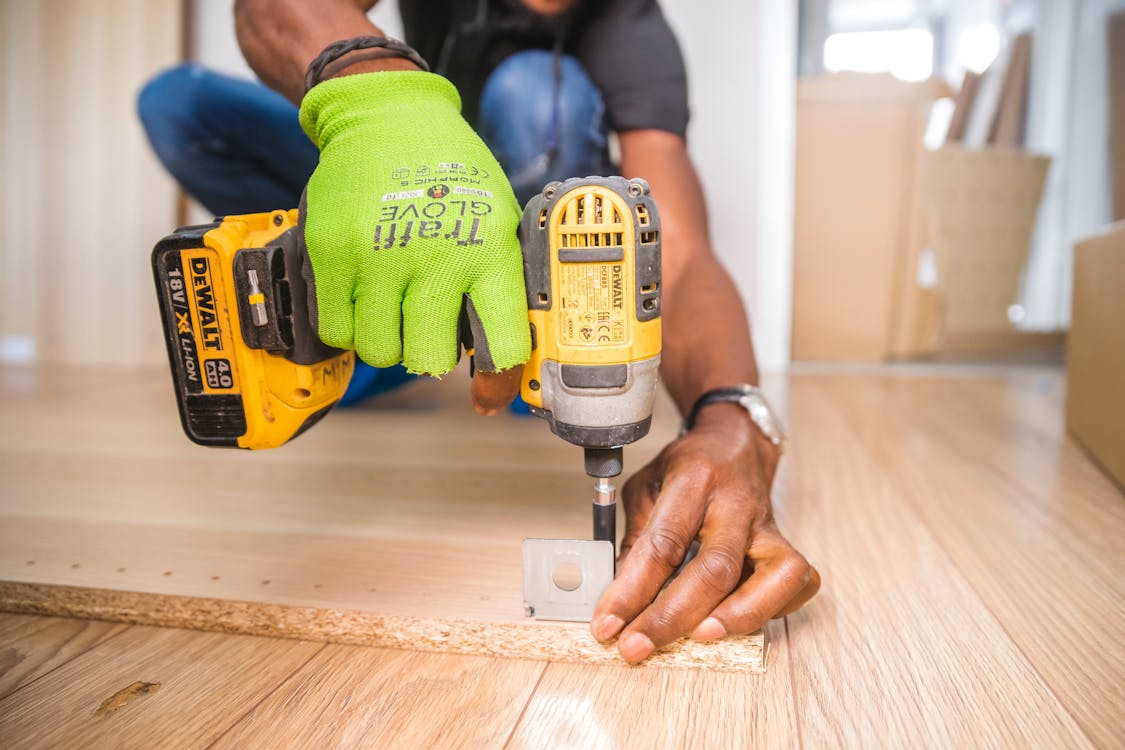
Reconstruction after water damage is ordinary building work with one extra rule: nothing goes back until the structure is dry. It typically includes new insulation and drywall, taping and finishing, primer and paint, baseboard, casing and other trim, flooring, and sometimes cabinets, countertops, tile, doors and ceiling repairs. On larger losses it can extend to subfloor, framing repairs, and full bathroom or kitchen rebuilds.
Continuity is the main advantage of having the restoration team carry on into the rebuild: they know what was removed, what was left in place, and where readings were slowest to come down. Some owners prefer their own contractor for the rebuild, and that's always their choice.
Closing a wall that isn't dry turns a repaired loss into a new one.
When owners usually call about repairs
- Drying equipment has gone and walls or ceilings are still open.
- Carpet or hardwood was removed and the subfloor is bare.
- Cabinets were pulled to dry the wall behind them.
- The lower drywall in a basement was cut out and needs to go back.
- A condo ceiling was opened to dry the floor above.
- Floors dried in place still show cupping or gaps.
- An earlier repair was done before the structure was dry, and staining or odor has returned.
Rebuilding across the region's housing eras
The work changes with the house. Pre-war homes in Arlington and Alexandria may have plaster walls, solid hardwood and trim profiles no longer stocked, so matching takes longer and sometimes means custom milling. Mid-century homes in Fairfax County and Falls Church often have narrow-strip oak floors and walls that have been patched and painted many times. Townhouses and condos from the 1970s through the 1990s tend to have standard drywall, carpet and builder cabinets that are easy to replace but hard to match exactly after decades of fading. Newer homes in Loudoun and Prince William use current materials that are generally available, although particular flooring and cabinet lines are often discontinued within a few years.
Rural homes in Fauquier and the Piedmont, and older homes in Patrick and Henry counties, can involve plaster, older framing and floors over crawl spaces, each of which needs its own approach.
How the rebuild is done
- Final dry readings. Framing, subfloor and wall cavities are checked and recorded before anything is closed.
- Scope. What was removed, what stays, what needs matching, and any upgrades you choose, all priced upfront.
- Approvals. Any permits the work needs, and association approval in shared buildings where required.
- Insulation and drywall. New insulation where it came out, then drywall hung, taped, finished and primed.
- Flooring. Subfloor repairs first, then carpet and pad, hardwood, laminate, vinyl or tile. Hardwood acclimates in the home before it goes down.
- Trim, doors and cabinets. Baseboard, casing and cabinets reset or replaced, with countertops, and plumbing reconnected by the right trade.
- Paint. Walls and ceilings painted, usually corner to corner or room to room so the finish is even.
- Walkthrough. You and the crew check the finished work together.
Replacing only the damaged run of flooring, or repainting one wall, is often possible, but finishes that have aged for years won't match new material exactly. The crew will explain what a partial repair will look like before you decide.
Rebuilding a finished basement
Finished basements are where many rebuilds happen, and putting one back is a chance to make the next event smaller. Common choices include hanging drywall with a small gap above the slab, using moisture-tolerant baseboard, choosing flooring that copes better with occasional damp, and leaving an access panel at the sump or ejector pit. None of these stops water arriving, but they limit what it reaches and shorten the drying if it happens again.
Repairs in condos and townhouse communities
In a condominium, repairs often cross between spaces: a ceiling in one unit that is the floor of another, a wall that encloses a common pipe, a corridor. Many associations set rules on work hours, contractor registration, noise and elevator use, and some require approval for work on particular parts of the building. The crew schedules around those rules and coordinates with management. Which party repairs which element, and whose insurance applies, depends entirely on the specific policies, governing documents and circumstances, so ask your own insurer and your association before the work is scoped.
Condo repair across two units? We'll schedule it with management.
Managing a Building? Call UsWhat affects time and cost
The amount of work, the finishes involved, whether materials need matching or ordering, permits and approvals, and access. Replacing the lower two feet of drywall in a basement room takes a few days including finishing and paint. A kitchen with cabinets, countertops and flooring can take several weeks, much of it waiting on materials. The rebuild is scoped and priced before the first sheet of drywall goes up, with no hidden fees, and the completed work carries a workmanship guarantee.
Rebuild scope and price, agreed before work starts.
Call for Upfront PricingAfter the rebuild
- Keep the drying records and the open-wall photos with your home records.
- Let new paint and finishes cure before hanging heavy items or putting rugs back.
- Keep new hardwood at steady indoor humidity through its first season.
- Replace the supply line, hose or part that caused the loss, if that wasn't already done.
- Fit a leak sensor where the water started.
Related services
- Drywall repair
- Hardwood floors
- Carpet and flooring
- Structural drying
- Ceiling water damage
- Contents pack-out
Reconstruction: common questions
How do I know the structure is dry enough to rebuild?
From moisture readings compared with dry reference readings taken elsewhere in the same home. Framing, subfloor and wall cavities should reach those levels before anything is closed. Ask for the final readings in writing.
Can I use my own contractor for the rebuild?
Yes, it's your choice. If you do, share the drying records with them so they know what was removed and where readings were slowest.
Will new flooring match what's left?
It depends on the material and its age. Current products may be available; discontinued lines or aged finishes may not match exactly. The crew will explain what a partial replacement will look like, and you decide.
Why paint a whole room when only one wall was repaired?
Paint fades and ages, so a patched wall often looks different from the rest. Painting to the corners of the room gives an even finish, but it's your choice.
Do I need a permit?
Some repair work does, and requirements vary by locality. The crew will tell you whether the planned work typically needs one where you live.
How long does a kitchen rebuild take after water damage?
Often several weeks. Much of that time is waiting for cabinets, countertops or flooring to arrive; drywall and paint move quickly once materials are on hand.
Can repairs in my condo start before the unit above is fixed?
Not usually. If the source above isn't repaired and dry, new drywall and paint in your ceiling could be damaged again. Management can confirm when the source has been fixed.
Can I upgrade materials during the rebuild?
Yes. Some owners use the rebuild to change flooring, add moisture-resistant board in a basement, or rework a bathroom layout. Upgrades are priced separately in the scope, so you can see what is restoration and what is your choice.
Is the rebuild guaranteed?
Completed work carries a workmanship guarantee. The crew will explain what it includes before work begins.