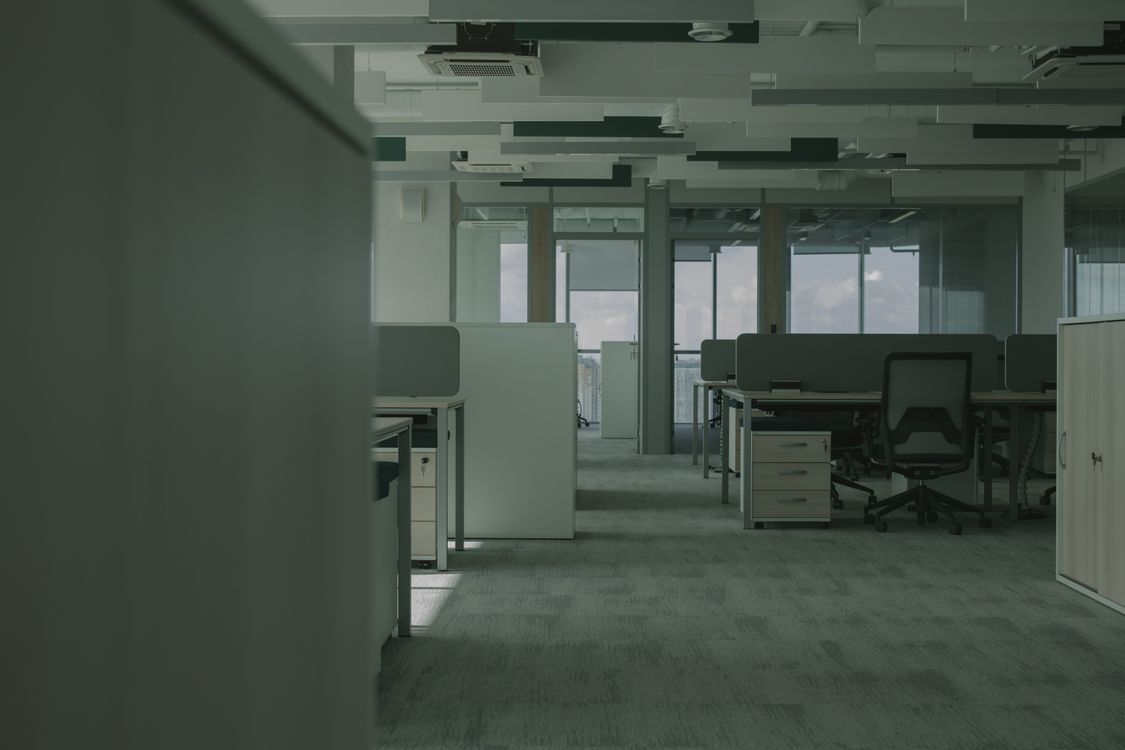
What's different about commercial losses
The drying science is the same as in a home. What changes is the scale, the construction and the cost of downtime. Commercial spaces often have large open areas, carpet tile over concrete, suspended ceilings with batt insulation above them, steel stud walls, and sometimes raised flooring. There's usually more equipment to protect, more people affected and more parties involved: the tenant, the landlord, the property manager and sometimes neighboring tenants.
Commercial property in Northern Virginia is mostly offices, from low-rise office parks along the main corridors to mid- and high-rise buildings near Metro stations; retail centers and restaurants; medical and dental suites; places of worship, schools and community buildings; and the common areas of condominium and apartment buildings, such as lobbies, fitness rooms, party rooms and garages.
The drying is the same. The calendar around it is not.
What facility and property managers see
- Ceiling tiles stained, sagging or dropping in an office or corridor.
- Wet carpet tile along a wall shared with a restroom or kitchenette.
- Water in an electrical or server closet.
- A sprinkler head activated or struck.
- Water under a storefront or entry door after heavy rain.
- Water from a tenant space above in a multi-tenant building.
- A roof leak over a stockroom or back-of-house area.
Common causes in commercial buildings
- Restroom and kitchenette plumbing: supply lines, flush valves, small water heaters, and break-room appliances such as ice makers and coffee machines.
- Rooftop units and condensate lines, especially through humid summers.
- Sprinkler systems: struck heads, frozen branches in unheated areas, and fitting failures.
- Roof drains and flat roofs, where leaves from surrounding trees block drainage.
- Storefront and window systems in wind-driven rain.
- Drain backups in restaurants and lower-level spaces.
- Frozen lines in loading areas, vestibules and unheated stairwells.
Who to tell, and in what order
The property manager or landlord comes first, because they control the building systems and can shut off water or reach the building engineer. Then your own staff, so no one walks into a wet area or plugs equipment back in. In a multi-tenant building, neighboring tenants above, below and beside you. If you're the tenant, contact your own insurer and read your policy; your property manager can tell you what notification the building needs from you.
How commercial drying is planned
- Walkthrough with the facility or property manager: source, affected areas, what must stay open, access hours and security.
- Moisture mapping across floors, walls and ceiling cavities, including above suspended ceilings.
- Extraction from carpet tile, concrete and hard floors.
- Targeted removal: wet ceiling tiles, batt insulation, the lower portion of drywall on steel studs, and vinyl baseboard.
- A zoned drying plan. Dehumidifiers and air movers placed so occupied areas can keep working where possible, with temporary containment separating a drying area from a working one.
- Protection of furniture, equipment and records, with a pack-out of files or stock where needed.
- Daily readings and a short status report to the manager.
- Repairs, often scheduled after hours or at weekends.
Carpet tile can often be lifted, dried and relaid, but the slab under it holds moisture longer than the tile does. Readings at the slab decide when flooring goes back down.
Working around business hours
Commercial drying rarely gets a building to itself. The crew can do extraction and removal after hours, run equipment overnight, and scale back what's running during the day so staff can work nearby. Noise and airflow are the trade-offs: fewer machines during the day means drying takes longer overall. The facility manager decides what matters most, and the crew builds the plan around that.
The same approach applies in a building's common areas, such as a condo lobby, a fitness room or a garage. The crew works with management to keep residents moving through the space and to close only what has to close.
Tell us your hours; we'll plan the work around them.
Managing a Building? Call UsWhat affects time and cost
The size of the area, the construction, whether the water was clean or from a drain line, how much of the space must stay in use during drying, any after-hours work, and what equipment or records need protecting. A restroom leak into one suite is a small job; a sprinkler release across a floor is a large one. Buildings with security desks, badge access or restricted loading hours add some planning time at the start. Scope and pricing are agreed with whoever authorizes the work before it begins, with no hidden fees.
Scope and pricing laid out before any work begins.
Call for Upfront PricingAfterward
- Schedule condensate line and rooftop unit drain cleaning before summer.
- Keep roof drains clear, especially under trees in the fall.
- Add leak sensors in restrooms, kitchenettes and server rooms.
- Label the shut-off valve for each tenant space.
- Keep heat on in vestibules, loading areas and stairwells that carry water or sprinkler lines.
- Keep an after-hours contact list for tenants and the property manager.
- Walk the space after heavy storms to check entry doors, storefront sills and the ceiling under roof drains.
Related services
- High-rise water damage
- Multi-unit and apartments
- Structural drying
- Contents pack-out
- Ceiling water damage
- Reconstruction and repairs
Commercial water damage: common questions
Can we stay open while the space dries?
Often in part. Drying areas can be separated with containment, equipment can be scaled back during business hours, and noisy work done after hours. The trade-off is time: less equipment running means a longer drying period.
Do wet ceiling tiles always need replacing?
Usually. Mineral fiber tiles sag and stain when wet and rarely recover, and the insulation above them often needs replacing too. The grid itself can usually stay.
Can carpet tile be saved?
Often, if it was wet with clean water. Tiles can be lifted, dried and relaid once the slab beneath reads dry. After drain or sewer water, tiles are usually replaced.
Water got into our server closet. What should we do?
If water is near outlets, equipment or the panel, keep out of the room and call your utility and emergency services. Contact your IT provider about the equipment. The crew dries the room and structure once work can begin.
We're a tenant. Should we call a crew or the landlord?
Tell the landlord or property manager first; they control the building systems and may already have a crew they use. Either of you can call us, and work in your space is usually coordinated between you.
Can work be done at night or at weekends?
Yes. Extraction, removal and repairs can be scheduled outside business hours, and drying equipment runs around the clock.
What about a restaurant drain backup?
It's treated as contaminated water: affected porous materials are removed, surfaces are cleaned and disinfected, and the area is dried. Check with the relevant local authority about any requirements before reopening.
Water came from the tenant space above ours. What happens?
Tell the property manager so the source can be stopped and the other tenant contacted. The crew can begin extraction and drying in your space while that happens, and keep separate records for each affected suite. Contact your own insurer and read your policy.
What records will we get?
Readings, photographs and a description of the work performed, which you can share with your landlord, your property manager and your insurer.